

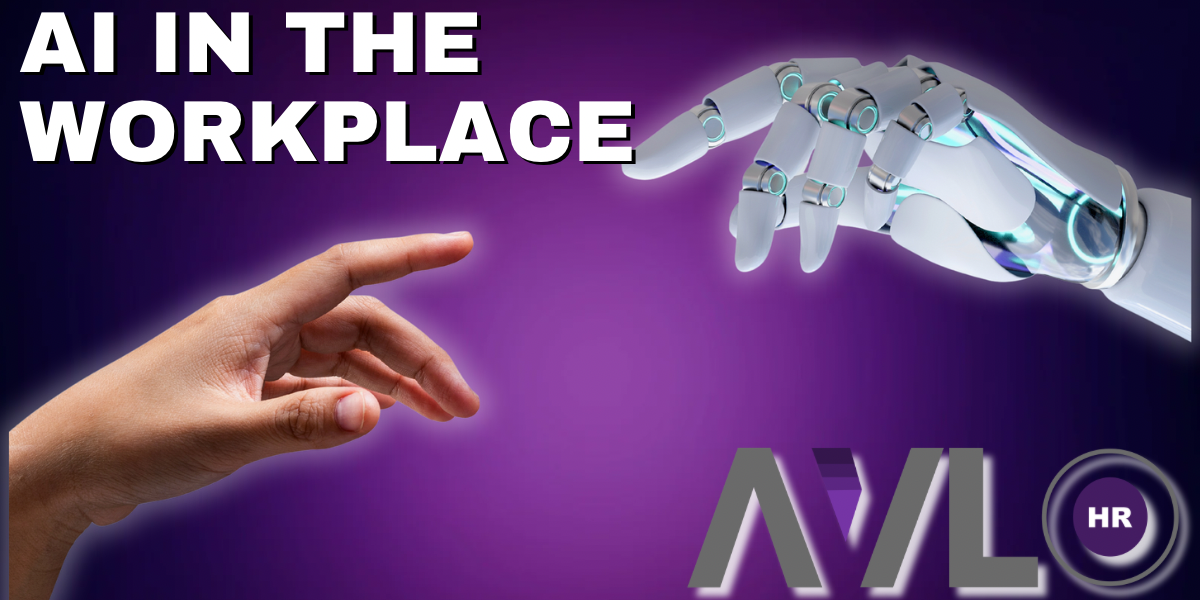
It has now become almost impossible to ignore the impact AI is having on our everyday lives. It is therefore no surprise that the same can be said regarding AI within the workplace. With the technology of AI being ever-changing, keeping up to date with it all can be challenging. As a result, having the ability to be flexible and move with the times is key.
Today we explore the advantages and disadvantages of AI in the workplace. Understanding this can help you to make the best decision for your business.
Advantages of AI in the workplace
It would be remiss of us to not highlight the fact that there are a myriad of ways AI can be beneficial when it comes to your business. AI allows certain tasks to be done more efficiently and more effectively… ensuring increased workload productivity. This is especially useful when it comes to jobs that can be quite tedious. AI can do this kind of work with ease, with no need to worry about adversely affecting employee motivation!
In addition, AI can help increase work output in a shorter space of time, aid with decision making and even help employees best manage their working schedules.
Disadvantages of AI in the workplace
There are also cons to consider when looking to implement AI in the workplace. The first (and arguably the most obvious one) is that AI can negate the need of staff. This can in turn then remove that ‘personal touch’ that can only be offered by humans. It is important to remember here that keeping staffing numbers stable means that your employment costs also remain consistent.
Furthermore it would be prudent to bear in mind that AI is not a replacement for real-life thinking, employee collaboration and of course, forging a positive and motivational workplace culture. Striking the right balance between the incorporation of AI in the workplace alongside the requirement for human employees is critical.
If you’d like to speak with us about anything you’ve read here, or you have any other HR-related issue, please don’t hesitate to get in touch.